Signs Your Deck Needs to Be Restained
Noticing signs your deck needs to be restained, like fading or splintering, indicates that local contractors can help restore its appearance and protect its surface.
If a deck’s appearance has started to fade, or if you notice areas where the stain is peeling or flaking, it may be a sign that restaining is needed. Property owners in the area who enjoy outdoor living often find that maintaining their deck’s finish helps preserve its beauty and extends its lifespan. Recognizing these visual cues early can prevent more extensive damage and costly repairs down the line. Local contractors who specialize in deck restaining can assess the condition of a deck and recommend the best approach to restore its look and protection.
Other indicators that a deck might need to be restained include the presence of gray or dull patches, warping, or splintering wood. These issues often arise from exposure to weather elements over time, making regular maintenance essential for keeping the deck in good shape. For those considering a refresh of their outdoor space, experienced service providers in the area can handle the restaining process efficiently, helping property owners maintain a safe and attractive deck for years to come. Keep reading to learn more about how to identify these signs and when to seek professional help.
- Deck restaining - when fading or discoloration becomes noticeable, local contractors can assess whether a fresh stain is needed to restore its appearance.
- Deck restaining - if peeling or flaking stain is evident, service providers can prepare the surface and apply a new coat to protect the wood.
- Deck restaining - signs of graying or weathered wood indicate the need for restaining to enhance durability and aesthetic appeal.
- Deck restaining - when water no longer beads on the surface, local pros can reapply stain to improve water resistance and prevent damage.
- Deck restaining - if mold, mildew, or stains persist despite cleaning, professionals can recommend a suitable stain to improve the deck’s look and longevity.
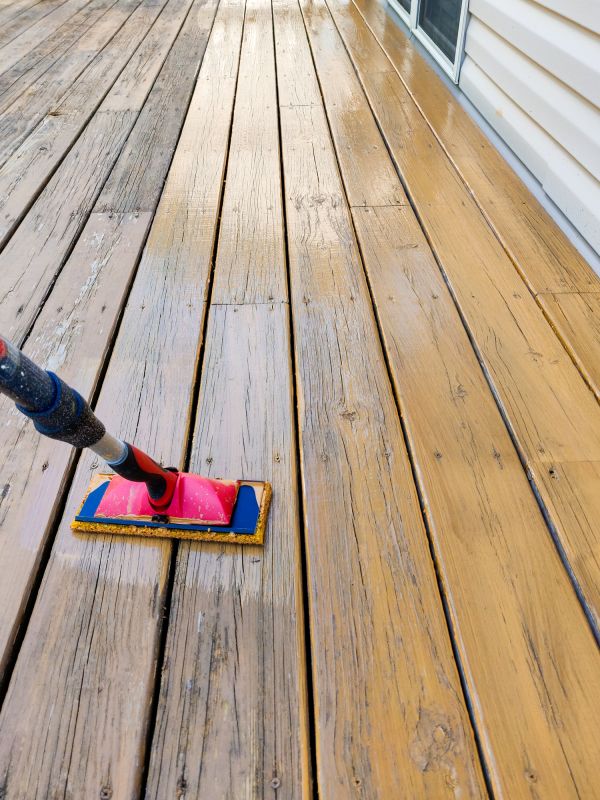
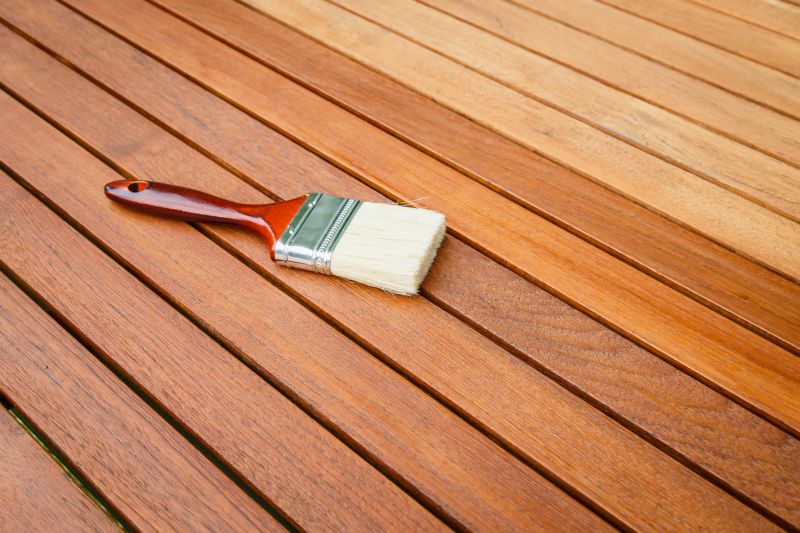

Understanding the signs your deck needs to be restained is essential for maintaining its appearance and longevity. Homeowners often search for this topic when noticing that their deck’s surface is no longer vibrant or smooth, indicating that the protective finish has worn down. A deck that looks faded, dull, or uneven may be a clear sign that the stain is losing its effectiveness. Recognizing these visual cues early can help prevent more serious issues like wood damage or rot, which can be costly to repair. Local contractors who specialize in deck restoration can assess these signs and recommend the appropriate timing for a restaining project to preserve the deck’s beauty and structural integrity.
This topic is closely related to ongoing maintenance plans and the desire to keep outdoor living spaces attractive and functional. Many property owners consider restaining their decks when planning for seasonal updates or preparing for gatherings and outdoor events. Problems such as peeling, cracking, or flaking stain are common indicators that the current finish has failed. Additionally, homeowners may notice increased dirt buildup or mold growth, which can penetrate the wood if the stain is compromised. These issues highlight the importance of timely restaining, and connecting with local service providers can ensure that the project is handled professionally, helping to extend the life of the deck and maintain its visual appeal.
The types of properties that typically come up in discussions about signs your deck needs to be restained include residential homes, multi-family complexes, and vacation properties. Residential decks are often exposed to frequent foot traffic, weather changes, and seasonal wear, making them prime candidates for regular inspections. Multi-unit buildings may have larger decks or shared outdoor spaces that require more frequent maintenance to keep them looking inviting. Vacation homes or properties in humid or rainy climates may experience faster deterioration of stain and wood condition. Recognizing these property types helps homeowners understand when to seek the expertise of local contractors who can evaluate their specific needs and recommend suitable restaining solutions to protect their investment.
Ultimately, understanding the signs your deck needs to be restained is about recognizing when the protective layer has begun to fail and taking proactive steps to address it. Visual cues like fading, peeling, or mold are clear indicators that the existing stain is no longer serving its purpose. By connecting with experienced local service providers, property owners can ensure that their decks receive the proper attention at the right time, preventing further damage and keeping outdoor spaces safe and attractive. Properly maintained decks not only enhance curb appeal but also provide a durable surface for years of outdoor enjoyment, making timely restaining an important part of property upkeep.
Fence staining services - these projects involve surface preparation and protective finishes similar to deck restaining, requiring attention to wood condition and weather exposure.
Outdoor furniture refinishing - restoring and protecting wooden outdoor furniture shares techniques with deck staining, including surface prep and application of protective coatings.
Wood siding restoration - involves cleaning, sanding, and sealing exterior wood surfaces, paralleling the skills needed for maintaining and restoring decks.
Porch flooring refinishing - this project focuses on surface preparation and applying protective stains or finishes, similar to deck restaining processes.
Playground equipment maintenance - includes wood treatment and sealing, which requires knowledge of wood preservation similar to deck care.
Gazebo or pergola restoration - involves cleaning, sanding, and staining wood structures, applying skills that are also essential for deck restaining projects.
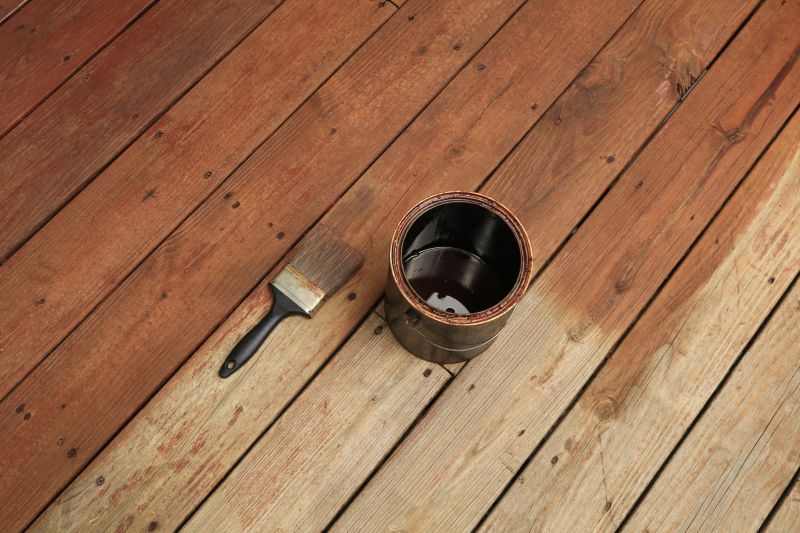
When evaluating potential service providers for deck restaining, it’s important to consider their experience with similar projects. Homeowners should look for local contractors who have a history of working on decks comparable in size, material, and condition to their own. An experienced professional will understand the nuances involved in restoring a deck’s appearance and durability, ensuring the job is done properly the first time. Asking about previous work or seeking out references can help verify a contractor’s familiarity with restaining projects similar to what is needed, providing confidence in their ability to deliver quality results.
Clear written expectations are vital when choosing a deck restaining service. Homeowners should seek detailed proposals that outline the scope of work, including surface preparation, type of stain or finish used, and the timeline for completion. This transparency helps prevent misunderstandings and ensures that both parties agree on what will be accomplished. Reputable service providers often provide comprehensive written estimates, which serve as a helpful reference throughout the project and help homeowners assess whether the contractor’s approach aligns with their expectations.
Effective communication is a key factor in selecting the right local contractor for deck restaining. Homeowners should prioritize service providers who are responsive, willing to answer questions, and able to clearly explain their process. Good communication fosters a smoother working relationship, making it easier to address any concerns that arise during the project. Additionally, contractors who keep homeowners informed about progress and any potential issues demonstrate professionalism and a commitment to quality. This level of engagement can make the entire experience more straightforward and help ensure the finished deck meets the homeowner’s standards.
Property owners often search for signs your deck needs to be restained when they are planning practical projects around their homes and businesses. Local pros provide Deck Restaining services for everyday jobs and straightforward project options.
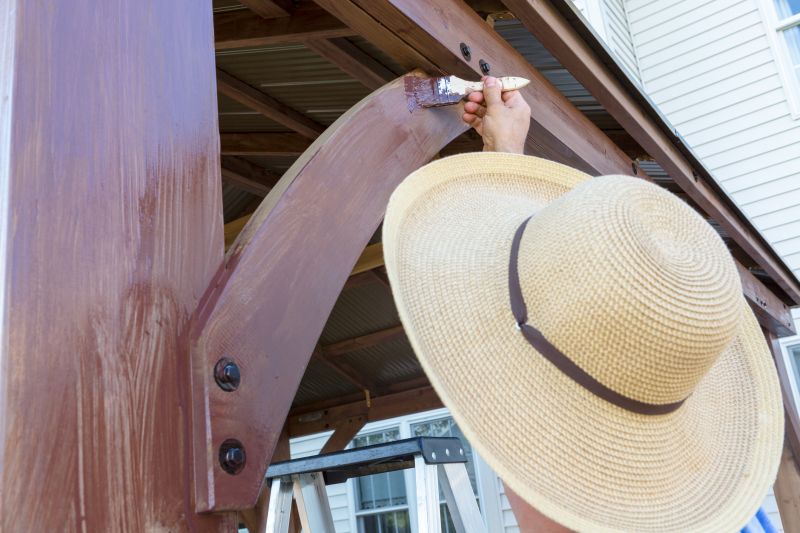
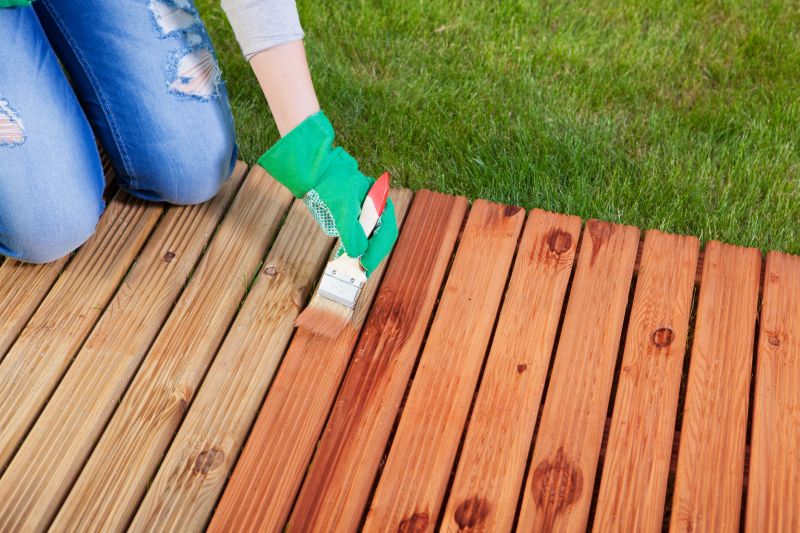
Over time, weather exposure and regular foot traffic can cause a deck’s stain to fade or wear thin, making it look dull or uneven. Cracks or peeling in the stain are common signs that it’s no longer providing proper protection. Property owners noticing these issues might consider reaching out to local contractors who specialize in deck restaining to restore the appearance and durability of their outdoor space. Addressing these signs early can help prevent more extensive damage and keep the deck looking its best.
Another indicator that a deck may need to be restained is the presence of discoloration or areas where the stain no longer matches the rest of the surface. Water spots or dark patches can suggest that the stain has broken down and is no longer effectively sealing the wood. When these signs appear, property owners often turn to experienced local service providers who can evaluate the condition of the deck and recommend the appropriate restaining services. Proper maintenance can extend the life of a deck and enhance its overall appearance.
How can I tell if the stain on my deck is fading or peeling? If the stain appears faded, uneven, or shows signs of peeling or cracking, it may be time for a professional to restain the deck to restore its appearance and protection.
Are there visible signs of mold, mildew, or algae on my deck? Yes, the presence of mold, mildew, or algae can indicate that the existing stain is no longer providing adequate protection, and a restaining service can help address these issues.
Does my deck look dull or faded compared to nearby surfaces? If your deck looks significantly dull, faded, or discolored compared to other outdoor surfaces, it may be a sign that the stain has worn out and needs to be refreshed by a local contractor.
Are there areas where the wood is exposed or discolored? Exposed or discolored patches on the wood surface suggest the stain has worn away, making it a good idea to have a professional evaluate and restain the deck.
Is the wood surface feeling rough or splintered? A rough or splintered surface can indicate that the stain has deteriorated, exposing the wood and signaling that restaining is needed to protect the deck and improve its look.
Fading or dull color - When the deck’s stain looks faded or less vibrant, local contractors can restore its appearance with professional restaining services.
Peeling or cracking finish - Signs of peeling or cracking indicate the existing stain is deteriorating, and experts can help apply a fresh coat to protect the wood.
Water absorption issues - If water soaks into the wood instead of beading on the surface, it’s a sign the stain has worn away, and pros can reapply to improve water resistance.
Visible graying or mold growth - Graying wood or mold spots suggest the deck needs restaining to prevent further damage and maintain a clean look.
If you are thinking about signs your deck needs to be restained for a property, this guide is meant to help you understand this topic, the typical project types, and how different options might fit your plans.
When you are ready, you can use the quote form on this page to share a few details about your project. From there, local pros can review the basics and follow up with options that match what you have in mind.